


Child Safety Month


24.09.2025 • 3 MINUTES READ
Temperature in the Car
No matter where you're headed – a quick errand or a family road trip – keeping your baby comfortable in the car is key. Since little ones cannot regulate their body temperature as well as adults can, they're more sensitive to heat and cold. Even short car rides can be uncomfortable if it’s too hot or chilly – and potentially more dangerous. That’s why you should check the car’s temperature before buckling them in. If it doesn’t feel right to you, it won’t feel good for your baby either.
Can a Baby Get Sunburn in the Car?
Yes. Car windows block some UV rays, but not all. Babies can still get sunburned if they sit in direct sunlight for too long. Use sunshades or UV-protective films on the windows. Dress your baby in long sleeves and a soft hat for extra protection. A car seat with an integrated sun canopy, like the CYBEX Cloud T, delivers extra coverage on sunny days. Whenever possible, don’t start your road trips during midday when the sun is strongest.
Dressing Your Baby
Many parents worry about keeping their baby warm, but overdressing is a common mistake. A good rule is to dress your baby in one more layer than you would wear yourself. In summer, stick to breathable cotton or bamboo fabrics. In winter, use thin layers you can remove once the car warms up. Avoid thick jackets or snowsuits in the car seat – they prevent the harness from fitting snugly, which makes it less secure.
Product Highlight – CYBEX SensorSafe
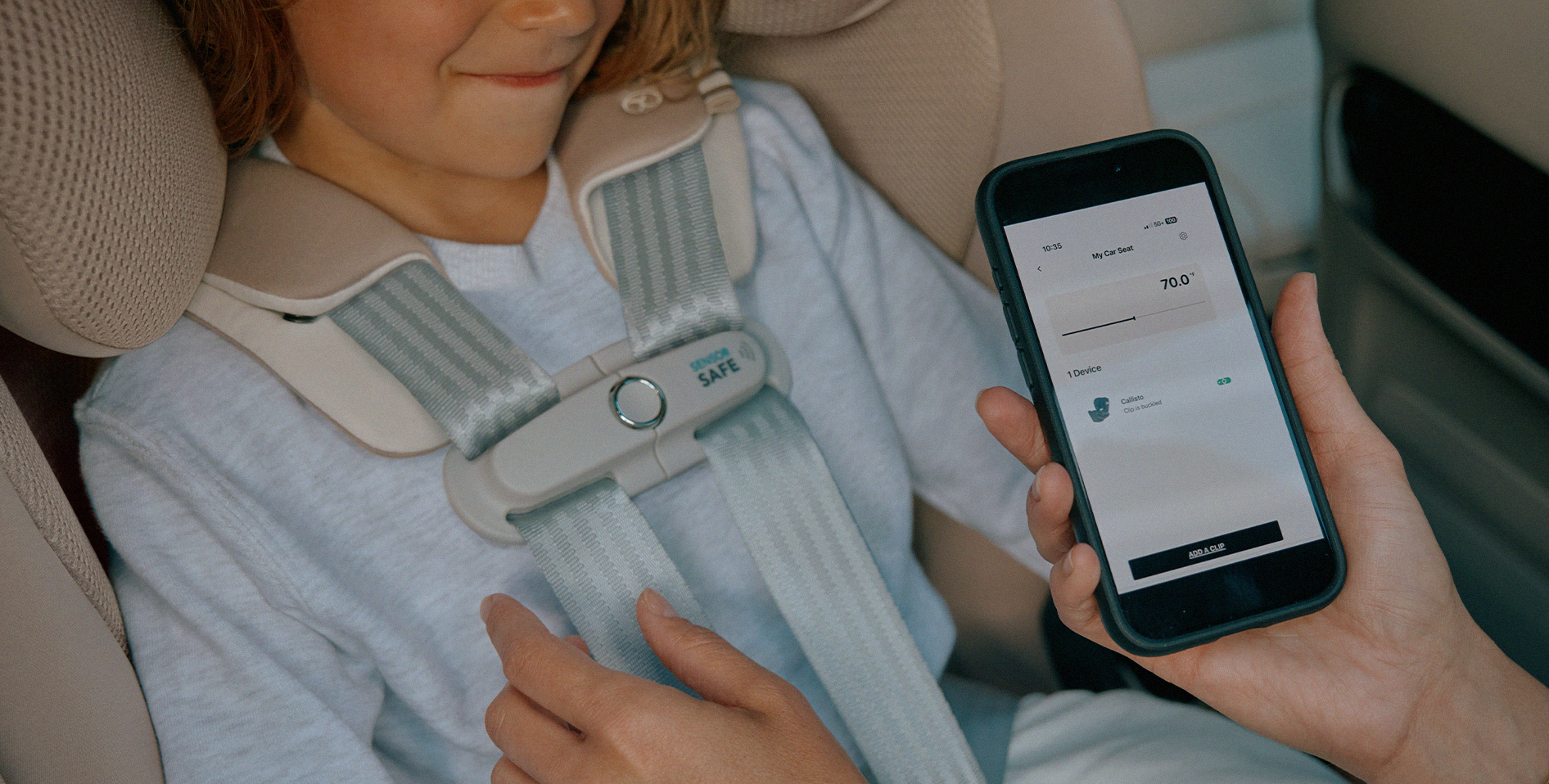
You can’t always keep an eye on your baby on a drive, especially when going on a longer one for a trip. But fortunately, CYBEX SensorSafe does it for you. This smart clip monitors the temperature inside the car and sends an alert to your phone if it gets too hot or cold. SensorSafe also warns you if your baby is alone in the car, as quickly rising temperatures can be dangerous even if they are only left unattended for a short time. With these and other safety alerts, SensorSafe is a simple way to keep your baby safer – and you more relaxed.
24.09.2025 • 3 MINUTES READ
Temperature in the Car
No matter where you're headed – a quick errand or a family road trip – keeping your baby comfortable in the car is key. Since little ones cannot regulate their body temperature as well as adults can, they're more sensitive to heat and cold. Even short car rides can be uncomfortable if it’s too hot or chilly – and potentially more dangerous. That’s why you should check the car’s temperature before buckling them in. If it doesn’t feel right to you, it won’t feel good for your baby either.
Can a Baby Get Sunburn in the Car?
Yes. Car windows block some UV rays, but not all. Babies can still get sunburned if they sit in direct sunlight for too long. Use sunshades or UV-protective films on the windows. Dress your baby in long sleeves and a soft hat for extra protection. A car seat with an integrated sun canopy, like the CYBEX Cloud T, delivers extra coverage on sunny days. Whenever possible, don’t start your road trips during midday when the sun is strongest.
Dressing Your Baby
Many parents worry about keeping their baby warm, but overdressing is a common mistake. A good rule is to dress your baby in one more layer than you would wear yourself. In summer, stick to breathable cotton or bamboo fabrics. In winter, use thin layers you can remove once the car warms up. Avoid thick jackets or snowsuits in the car seat – they prevent the harness from fitting snugly, which makes it less secure.
Product Highlight – CYBEX SensorSafe
You can’t always keep an eye on your baby on a drive, especially when going on a longer one for a trip. But fortunately, CYBEX SensorSafe does it for you. This smart clip monitors the temperature inside the car and sends an alert to your phone if it gets too hot or cold. SensorSafe also warns you if your baby is alone in the car, as quickly rising temperatures can be dangerous even if they are only left unattended for a short time. With these and other safety alerts, SensorSafe is a simple way to keep your baby safer – and you more relaxed.
24.09.2025 • 3 MINUTES READ
Temperature in the Car
No matter where you're headed – a quick errand or a family road trip – keeping your baby comfortable in the car is key. Since little ones cannot regulate their body temperature as well as adults can, they're more sensitive to heat and cold. Even short car rides can be uncomfortable if it’s too hot or chilly – and potentially more dangerous. That’s why you should check the car’s temperature before buckling them in. If it doesn’t feel right to you, it won’t feel good for your baby either.
Can a Baby Get Sunburn in the Car?
Yes. Car windows block some UV rays, but not all. Babies can still get sunburned if they sit in direct sunlight for too long. Use sunshades or UV-protective films on the windows. Dress your baby in long sleeves and a soft hat for extra protection. A car seat with an integrated sun canopy, like the CYBEX Cloud T, delivers extra coverage on sunny days. Whenever possible, don’t start your road trips during midday when the sun is strongest.
Dressing Your Baby
Many parents worry about keeping their baby warm, but overdressing is a common mistake. A good rule is to dress your baby in one more layer than you would wear yourself. In summer, stick to breathable cotton or bamboo fabrics. In winter, use thin layers you can remove once the car warms up. Avoid thick jackets or snowsuits in the car seat – they prevent the harness from fitting snugly, which makes it less secure.
Product Highlight – CYBEX SensorSafe
You can’t always keep an eye on your baby on a drive, especially when going on a longer one for a trip. But fortunately, CYBEX SensorSafe does it for you. This smart clip monitors the temperature inside the car and sends an alert to your phone if it gets too hot or cold. SensorSafe also warns you if your baby is alone in the car, as quickly rising temperatures can be dangerous even if they are only left unattended for a short time. With these and other safety alerts, SensorSafe is a simple way to keep your baby safer – and you more relaxed.
17.09.2025 • 3 MINUTES READ
A Story of Innovation
Innovation has always been in our DNA. We have a strong track record in research and development, part of our tireless efforts to make travel safer for children everywhere. Read on to discover a few of the safety features we’ve developed for our world-leading car seats.
How Does a Reclining Headrest Keep My Child Safe?
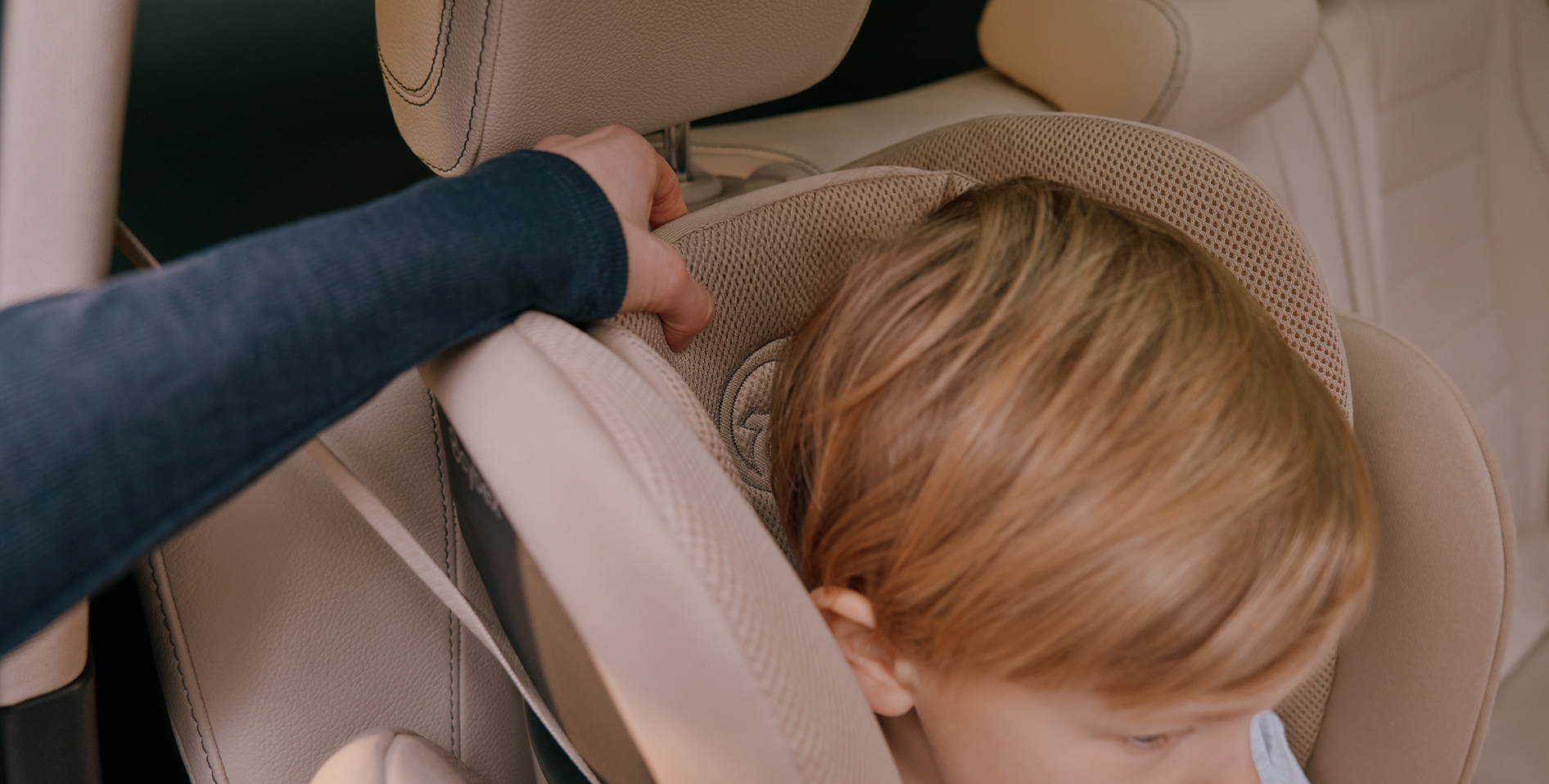
If a child’s head falls forward when they rest, it won’t be protected by the car seat in the event of a side impact. The reclining headrest tilts the child’s head back, helping to keep it in the safety zone of the car seat. This small adjustment has a big impact: a sevenfold improvement in safety.
How Does SensorSafe Help Parents Stay Alert?
It’s not always easy to monitor your child in the back seat, especially while driving. That’s where SensorSafe comes in. Integrated into the chest clip of select CYBEX car seats, SensorSafe sends real-time alerts to your smartphone, helping you stay informed and in control. It notifies you if the chest clip is unbuckled, if your child is left in the car, if they’ve been seated too long, or if the car gets too hot or cold. A smart solution for real-life moments, giving parents added peace of mind on every journey.
Why is a 45° Recline So Important for Infants?
Newborns need more than just comfort, they need ergonomic support, especially when spending extended time in a car seat. That’s why our infant car seats feature an adjustable backrest that creates a nearly flat lying position when used outside the car. This 45° recline helps promote healthy breathing and spinal development, giving your baby a safer, more restful start to every journey.
Enduring Innovation. Enduring Success
Our boundary-pushing commitment to technology and innovation has contributed to our success – over 500 awards from global testing institutes, and the knowledge that countless children have traveled in safety over the years, thanks to our technology.
17.09.2025 • 3 MINUTES READ
A Story of Innovation
Innovation has always been in our DNA. We have a strong track record in research and development, part of our tireless efforts to make travel safer for children everywhere. Read on to discover a few of the safety features we’ve developed for our world-leading car seats.
How Does a Reclining Headrest Keep My Child Safe?
If a child’s head falls forward when they rest, it won’t be protected by the car seat in the event of a side impact. The reclining headrest tilts the child’s head back, helping to keep it in the safety zone of the car seat. This small adjustment has a big impact: a sevenfold improvement in safety.
How Does SensorSafe Help Parents Stay Alert?
It’s not always easy to monitor your child in the back seat, especially while driving. That’s where SensorSafe comes in. Integrated into the chest clip of select CYBEX car seats, SensorSafe sends real-time alerts to your smartphone, helping you stay informed and in control. It notifies you if the chest clip is unbuckled, if your child is left in the car, if they’ve been seated too long, or if the car gets too hot or cold. A smart solution for real-life moments, giving parents added peace of mind on every journey.
Why is a 45° Recline So Important for Infants?
Newborns need more than just comfort, they need ergonomic support, especially when spending extended time in a car seat. That’s why our infant car seats feature an adjustable backrest that creates a nearly flat lying position when used outside the car. This 45° recline helps promote healthy breathing and spinal development, giving your baby a safer, more restful start to every journey.
Enduring Innovation. Enduring Success
Our boundary-pushing commitment to technology and innovation has contributed to our success – over 500 awards from global testing institutes, and the knowledge that countless children have traveled in safety over the years, thanks to our technology.
17.09.2025 • 3 MINUTES READ
A Story of Innovation
Innovation has always been in our DNA. We have a strong track record in research and development, part of our tireless efforts to make travel safer for children everywhere. Read on to discover a few of the safety features we’ve developed for our world-leading car seats.
How Does a Reclining Headrest Keep My Child Safe?
If a child’s head falls forward when they rest, it won’t be protected by the car seat in the event of a side impact. The reclining headrest tilts the child’s head back, helping to keep it in the safety zone of the car seat. This small adjustment has a big impact: a sevenfold improvement in safety.
How Does SensorSafe Help Parents Stay Alert?
It’s not always easy to monitor your child in the back seat, especially while driving. That’s where SensorSafe comes in. Integrated into the chest clip of select CYBEX car seats, SensorSafe sends real-time alerts to your smartphone, helping you stay informed and in control. It notifies you if the chest clip is unbuckled, if your child is left in the car, if they’ve been seated too long, or if the car gets too hot or cold. A smart solution for real-life moments, giving parents added peace of mind on every journey.
Why is a 45° Recline So Important for Infants?
Newborns need more than just comfort, they need ergonomic support, especially when spending extended time in a car seat. That’s why our infant car seats feature an adjustable backrest that creates a nearly flat lying position when used outside the car. This 45° recline helps promote healthy breathing and spinal development, giving your baby a safer, more restful start to every journey.
Enduring Innovation. Enduring Success
Our boundary-pushing commitment to technology and innovation has contributed to our success – over 500 awards from global testing institutes, and the knowledge that countless children have traveled in safety over the years, thanks to our technology.


03.09.2025 • 2 MINUTES READ
Getting Started
If you’re installing your baby’s first car seat, it’s a good idea to do this well in advance of the due date. You’ll likely have enough to worry about without having to add car seat installation to the list!
The Safest Place in the Car
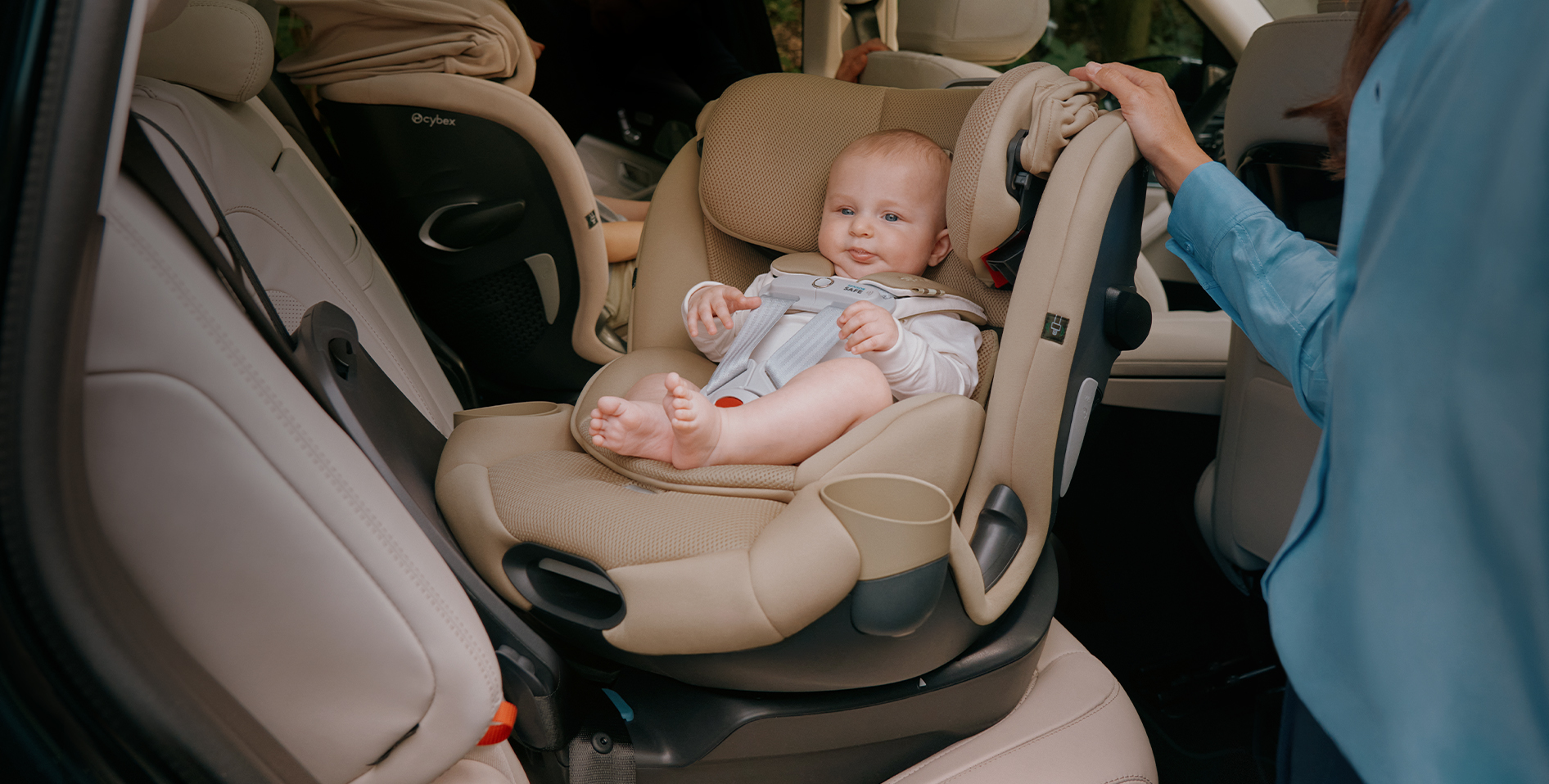
The safest place in a car to put a car seat is behind the front passenger seat. This keeps your child on the curb side of the car, away from traffic. It also makes it easier to get your child in and out of the car. If you have to place the car seat on the front passenger seat, make sure to disable the airbag.
Safe & Stable
Whether you’re installing an infant car seat or a high-back booster seat, make sure the seat is firmly in place. Hold both sides of the seat and attempt to rotate it to ensure there’s minimal movement. If the car seat can be moved even a few inches, it’s best to check whether it’s firmly installed.
The Right Way to Ride
If your child is younger than fifteen months, you have to use the seat in a rear-facing position. This position is much safer in the event of a front collision, as impact forces are better distributed. In fact we recommend having your child rear-facing until their fourth birthday, or as long as possible.
Just the Right Fit
When the special day has arrived and it’s time to take your new bundle of joy on their first car ride home, many parents worry, is the car seat harness too tight? Follow these tips to start their first trip in confidence:
03.09.2025 • 2 MINUTES READ
Getting Started
If you’re installing your baby’s first car seat, it’s a good idea to do this well in advance of the due date. You’ll likely have enough to worry about without having to add car seat installation to the list!
The Safest Place in the Car
The safest place in a car to put a car seat is behind the front passenger seat. This keeps your child on the curb side of the car, away from traffic. It also makes it easier to get your child in and out of the car. If you have to place the car seat on the front passenger seat, make sure to disable the airbag.
Safe & Stable
Whether you’re installing an infant car seat or a high-back booster seat, make sure the seat is firmly in place. Hold both sides of the seat and attempt to rotate it to ensure there’s minimal movement. If the car seat can be moved even a few inches, it’s best to check whether it’s firmly installed.
The Right Way to Ride
If your child is younger than fifteen months, you have to use the seat in a rear-facing position. This position is much safer in the event of a front collision, as impact forces are better distributed. In fact we recommend having your child rear-facing until their fourth birthday, or as long as possible.
Just the Right Fit
When the special day has arrived and it’s time to take your new bundle of joy on their first car ride home, many parents worry, is the car seat harness too tight? Follow these tips to start their first trip in confidence:
03.09.2025 • 2 MINUTES READ
Getting Started
If you’re installing your baby’s first car seat, it’s a good idea to do this well in advance of the due date. You’ll likely have enough to worry about without having to add car seat installation to the list!
The Safest Place in the Car
The safest place in a car to put a car seat is behind the front passenger seat. This keeps your child on the curb side of the car, away from traffic. It also makes it easier to get your child in and out of the car. If you have to place the car seat on the front passenger seat, make sure to disable the airbag.
Safe & Stable
Whether you’re installing an infant car seat or a high-back booster seat, make sure the seat is firmly in place. Hold both sides of the seat and attempt to rotate it to ensure there’s minimal movement. If the car seat can be moved even a few inches, it’s best to check whether it’s firmly installed.
The Right Way to Ride
If your child is younger than fifteen months, you have to use the seat in a rear-facing position. This position is much safer in the event of a front collision, as impact forces are better distributed. In fact we recommend having your child rear-facing until their fourth birthday, or as long as possible.
Just the Right Fit
When the special day has arrived and it’s time to take your new bundle of joy on their first car ride home, many parents worry, is the car seat harness too tight? Follow these tips to start their first trip in confidence: