


1. Install It Tight Every Time
A loose car seat cannot properly protect your child during a crash.
After installation, your CYBEX car seat should move less than one inch side to side or front to back when tested at the belt path. Even the most advanced safety features cannot perform as intended if the seat isn't securely installed. Before every trip, take a quick moment to check that your seat remains properly secured.
 Quick Tip: Perform the "one-inch test" before long road trips and whenever the car seat has been reinstalled by someone else.
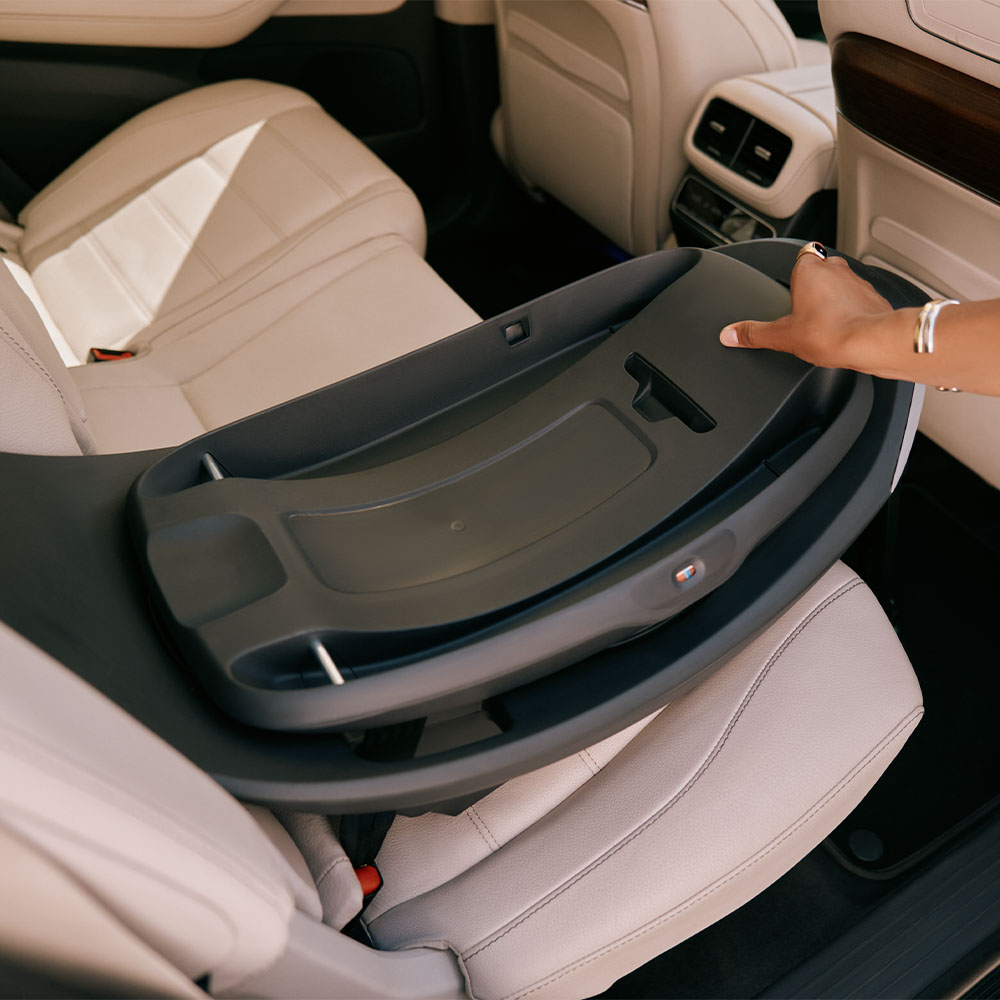
1. Install It Tight Every Time
A loose car seat cannot properly protect your child during a crash.
After installation, your CYBEX car seat should move less than one inch side to side or front to back when tested at the belt path. Even the most advanced safety features cannot perform as intended if the seat isn't securely installed. Before every trip, take a quick moment to check that your seat remains properly secured.
Quick Tip: Perform the "one-inch test" before long road trips and whenever the car seat has been reinstalled by someone else.
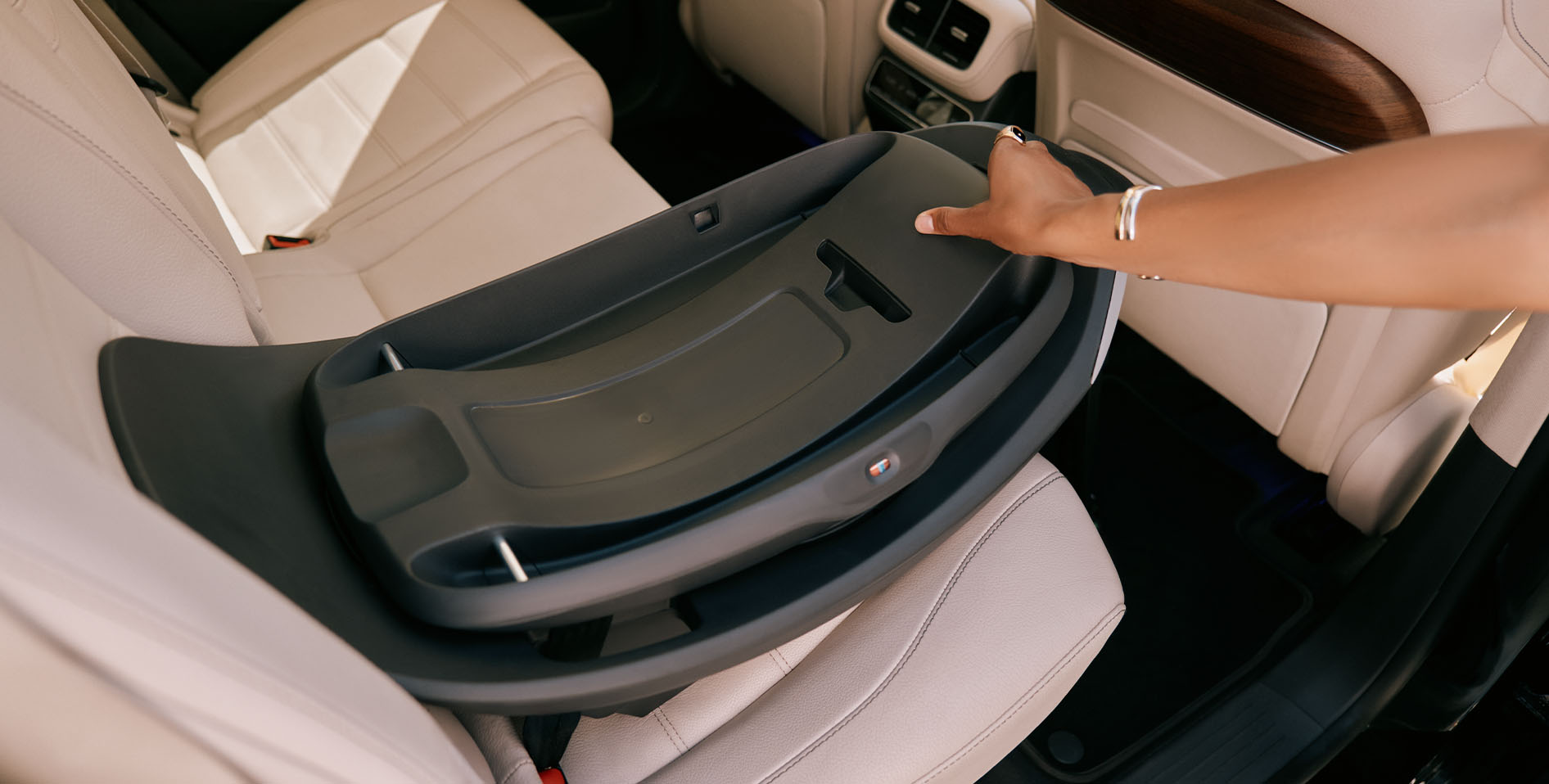
1. Install It Tight Every Time
A loose car seat cannot properly protect your child during a crash.
After installation, your CYBEX car seat should move less than one inch side to side or front to back when tested at the belt path. Even the most advanced safety features cannot perform as intended if the seat isn't securely installed. Before every trip, take a quick moment to check that your seat remains properly secured.
Quick Tip: Perform the "one-inch test" before long road trips and whenever the car seat has been reinstalled by someone else.
2. Check the Fit as Your Child Grows
Children grow faster than most parents expect.
A seat that fit perfectly a few months ago may no longer provide the right protection today. Regularly review your child's height, weight, harness position, and head position to ensure...
...the seat is still being used within its limits and adjusted correctly.
... they're still within the seat's recommended limits and using the correct settings.
Quick Tip: To check for tight installation, grab your base at the belt path and ensure it does not move more than 1" from side to side, or front to back with the strength of a firm handshake.
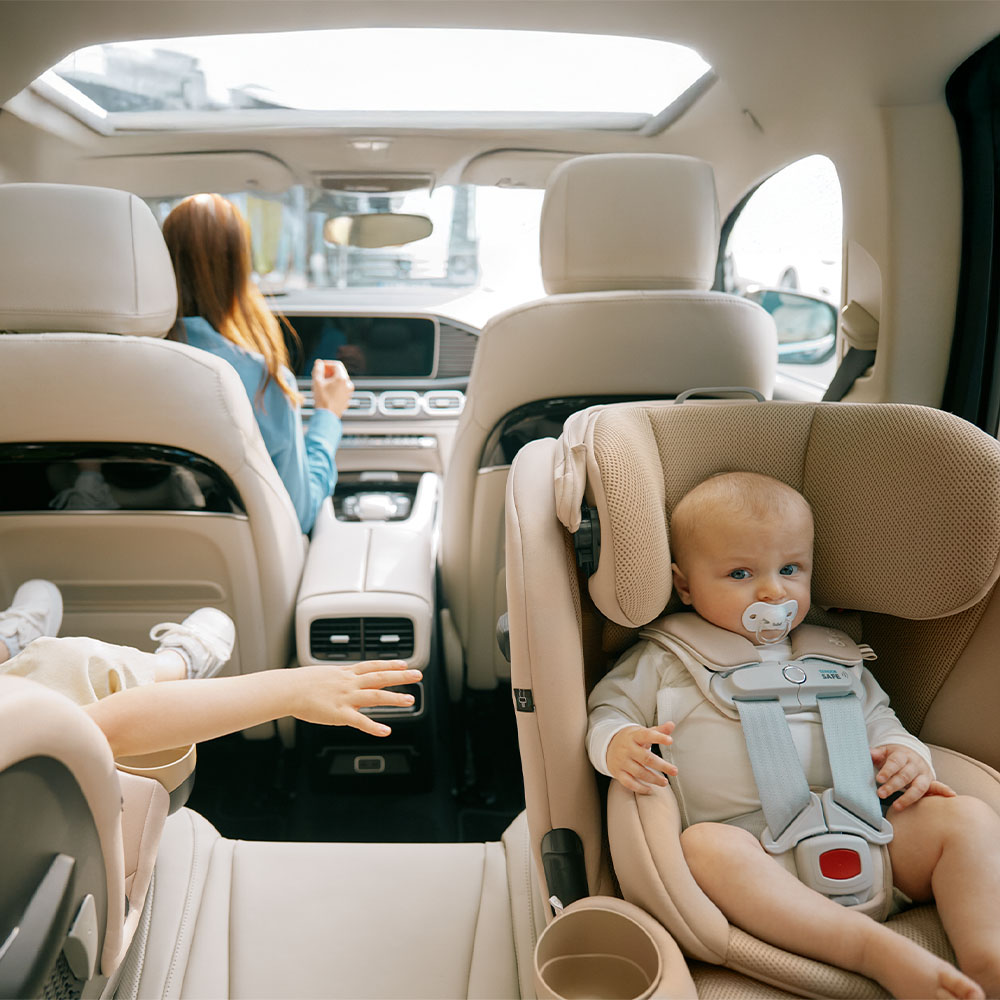
2. Check the Fit as Your Child Grows
Children grow faster than most parents expect.
A seat that fit perfectly a few months ago may no longer provide the right protection today. Regularly review your child's height, weight, harness position, and head position to ensure...
...the seat is still being used within its limits and adjusted correctly.
... they're still within the seat's recommended limits and using the correct settings.
Quick Tip: To check for tight installation, grab your base at the belt path and ensure it does not move more than 1" from side to side, or front to back with the strength of a firm handshake.
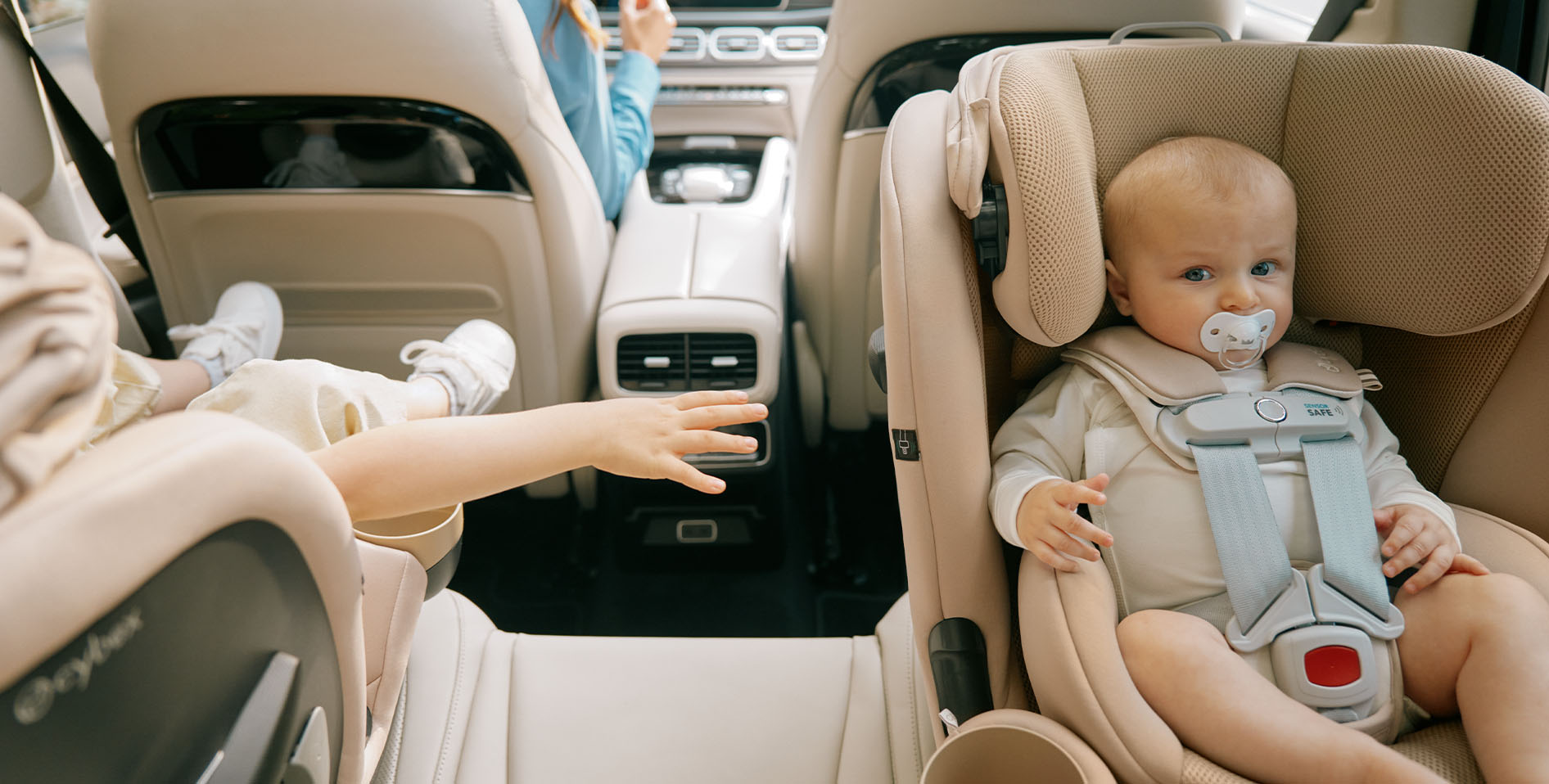
2. Check the Fit as Your Child Grows
Children grow faster than most parents expect.
A seat that fit perfectly a few months ago may no longer provide the right protection today. Regularly review your child's height, weight, harness position, and head position to ensure...
...the seat is still being used within its limits and adjusted correctly.
... they're still within the seat's recommended limits and using the correct settings.
Quick Tip: To check for tight installation, grab your base at the belt path and ensure it does not move more than 1" from side to side, or front to back with the strength of a firm handshake.
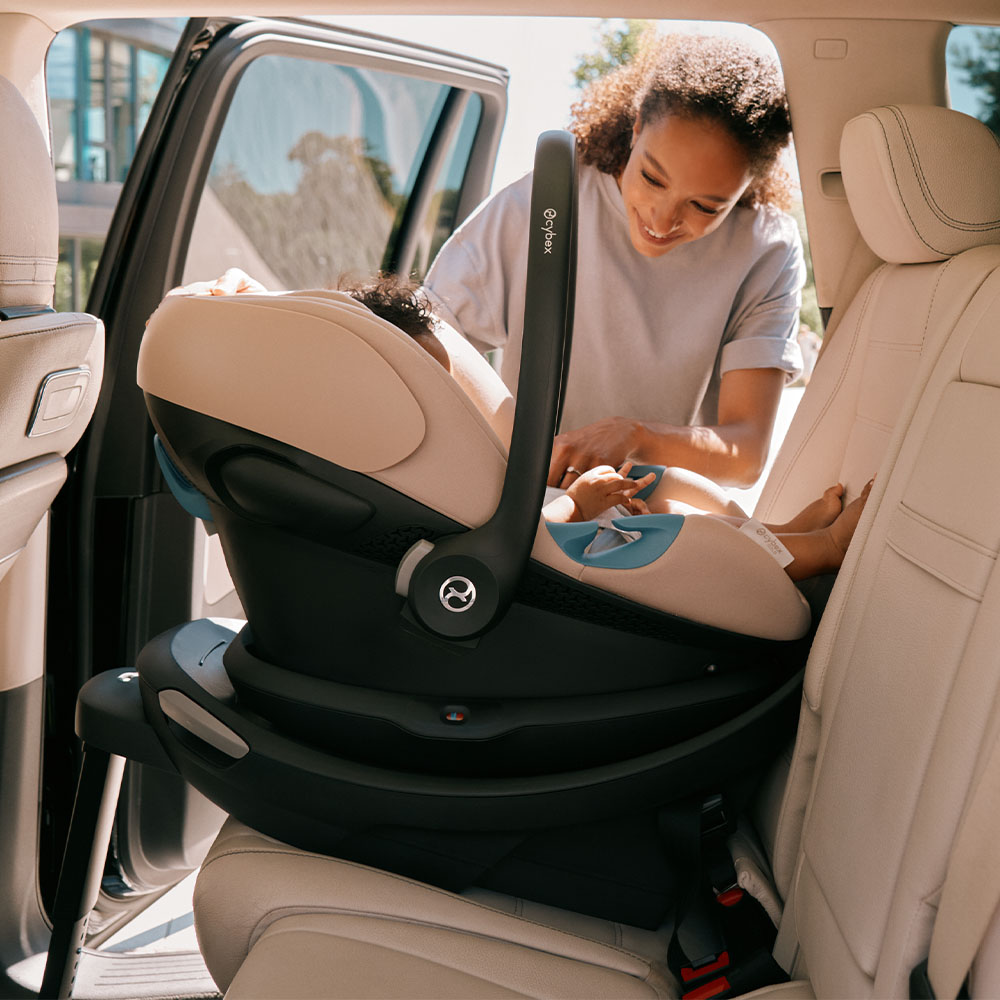
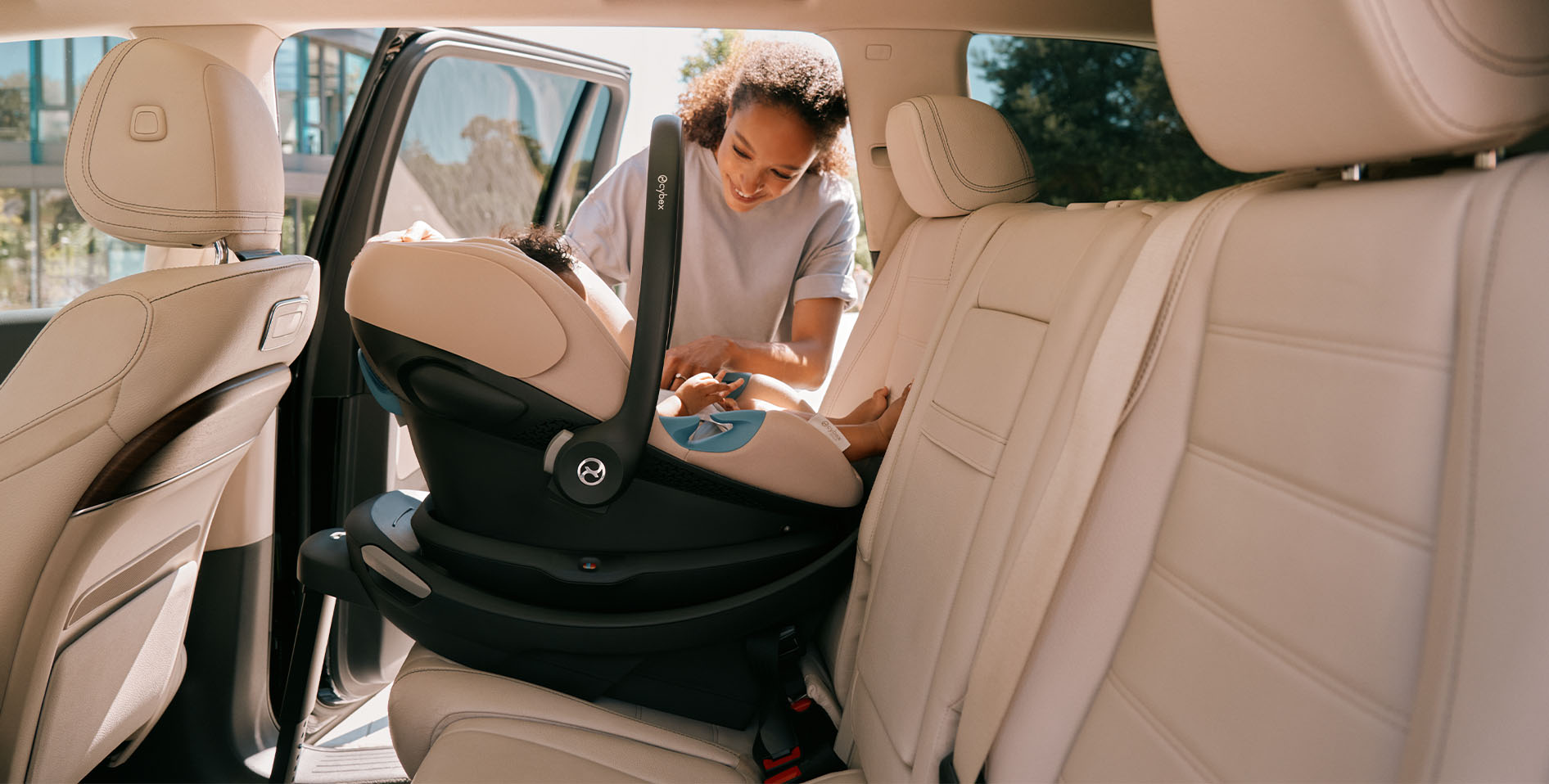
3. Keep Your Child Rear-Facing as Long as Possible
Rear-facing is the safest way for young children to travel.
Rear-facing car seats better support a child's developing head, neck, and spine by distributing crash forces across the entire back of the seat. CYBEX recommends keeping children rear-facing until they reach the maximum height or weight limit allowed by their seat.
Quick Tip: Moving to forward-facing shouldn't be based on age alone. Always follow height and weight guidelines.
3. Keep Your Child Rear-Facing as Long as Possible
Rear-facing is the safest way for young children to travel.
Rear-facing car seats better support a child's developing head, neck, and spine by distributing crash forces across the entire back of the seat. CYBEX recommends keeping children rear-facing until they reach the maximum height or weight limit allowed by their seat.
Quick Tip: Moving to forward-facing shouldn't be based on age alone. Always follow height and weight guidelines.
3. Keep Your Child Rear-Facing as Long as Possible
Rear-facing is the safest way for young children to travel.
Rear-facing car seats better support a child's developing head, neck, and spine by distributing crash forces across the entire back of the seat. CYBEX recommends keeping children rear-facing until they reach the maximum height or weight limit allowed by their seat.
Quick Tip: Moving to forward-facing shouldn't be based on age alone. Always follow height and weight guidelines.
4. Choose the Right Seat for the Right Stage
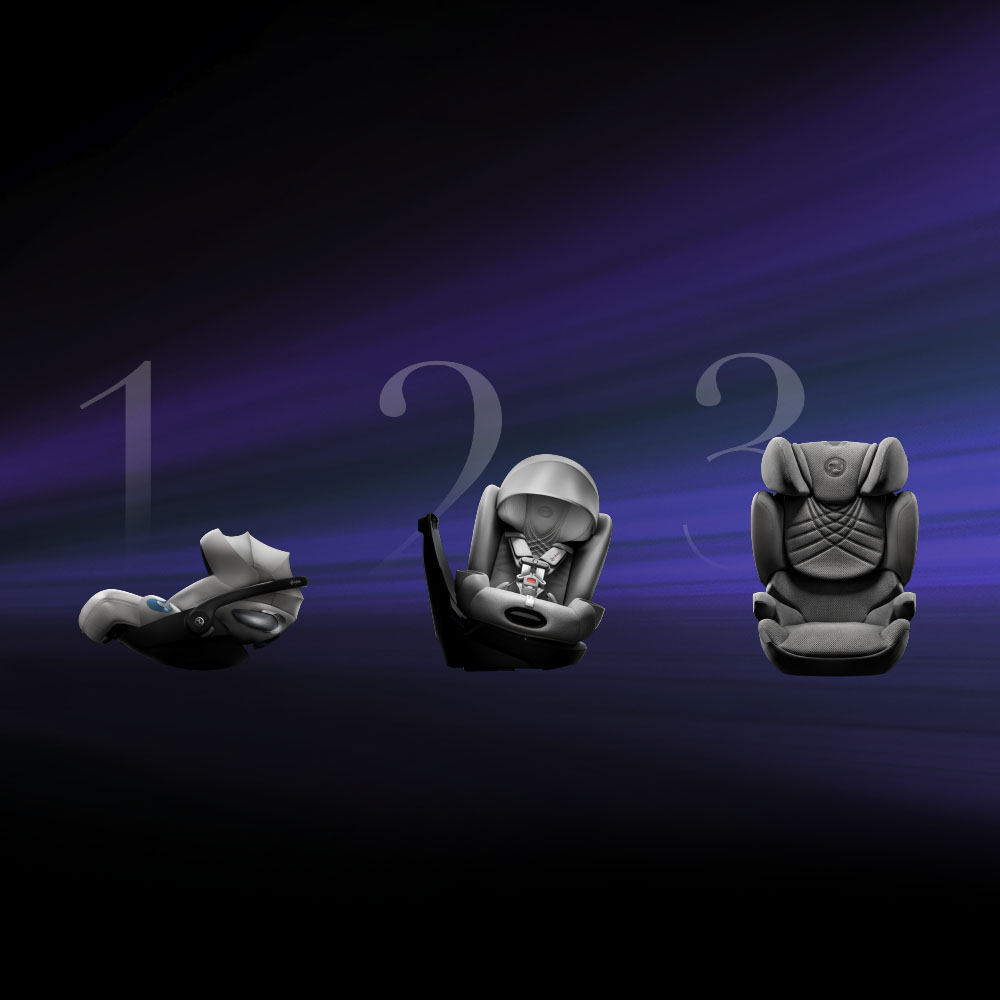
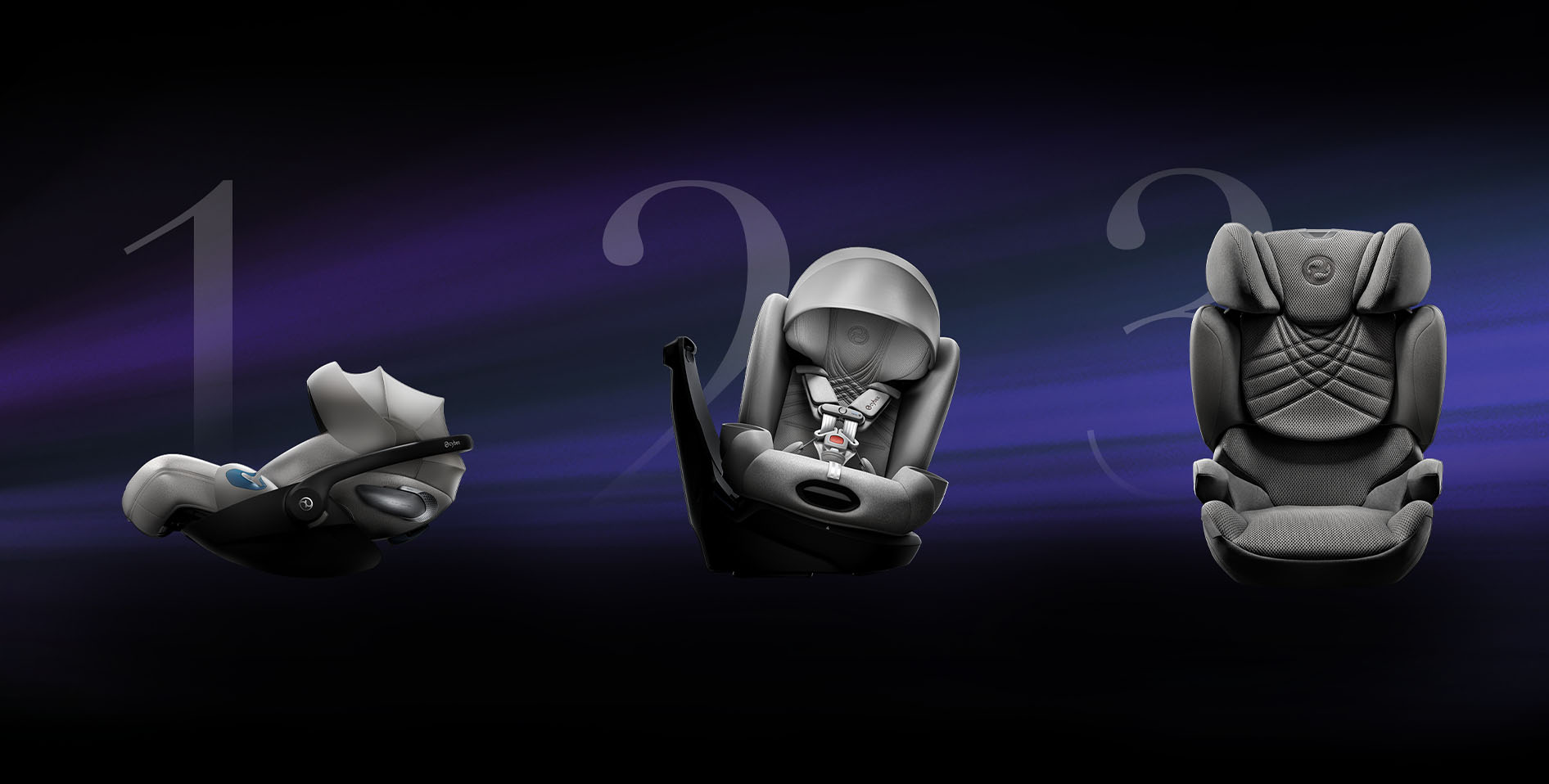
Every stage requires different protection.
Your child's safety needs evolve as they grow. Infant seats, convertible seats, all-in-one seats, and boosters are each designed for specific stages of development. Using the right seat at the right time helps maximize protection and comfort.
4. Choose the Right Seat for the Right Stage
Every stage requires different protection.
Your child's safety needs evolve as they grow. Infant seats, convertible seats, all-in-one seats, and boosters are each designed for specific stages of development. Using the right seat at the right time helps maximize protection and comfort.
4. Choose the Right Seat for the Right Stage
Every stage requires different protection.
Your child's safety needs evolve as they grow. Infant seats, convertible seats, all-in-one seats, and boosters are each designed for specific stages of development. Using the right seat at the right time helps maximize protection and comfort.
5. The Back Seat Is the Best Seat
Location matters.
The safest place for children under 13 is always the back seat. When possible, position the car seat away from active airbags and follow both the vehicle owner's manual and the car seat instructions.
Quick Tip: Never place a rear-facing car seat in front of an active airbag.
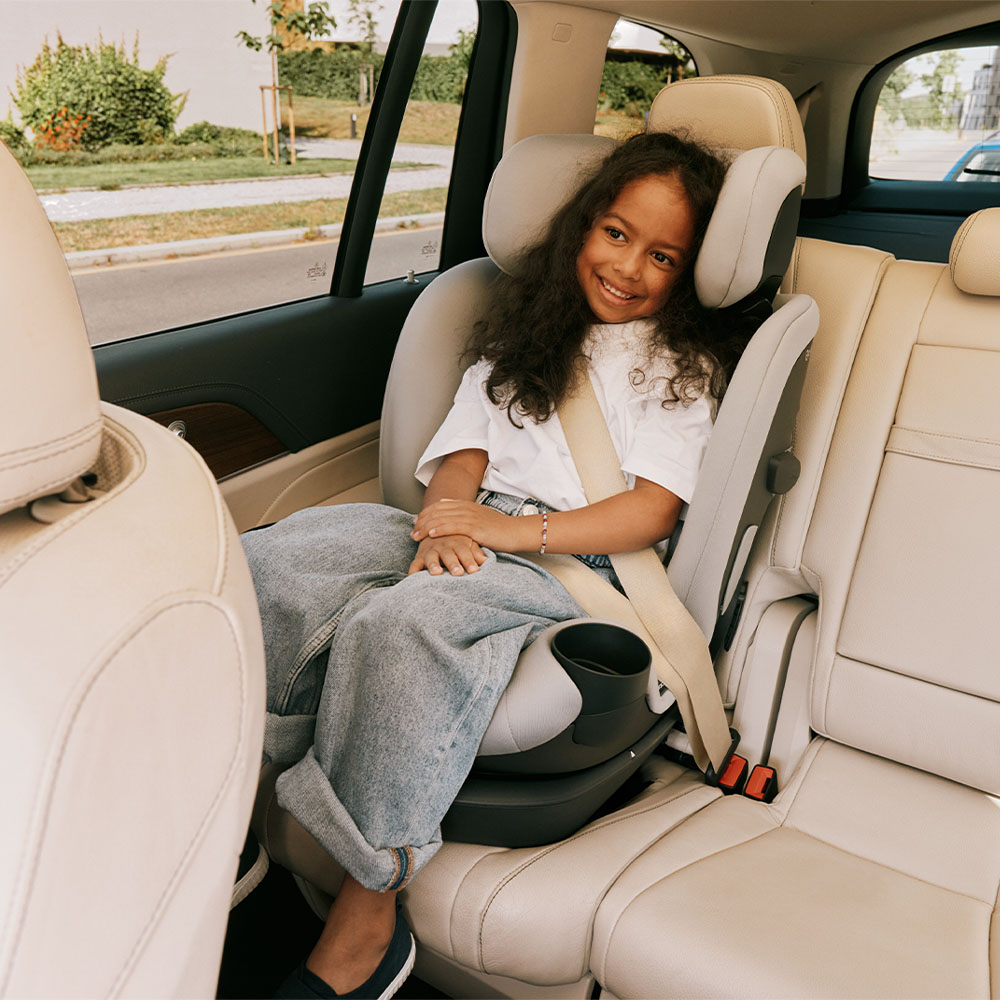
5. The Back Seat Is the Best Seat
Location matters.
The safest place for children under 13 is always the back seat. When possible, position the car seat away from active airbags and follow both the vehicle owner's manual and the car seat instructions.
Quick Tip: Never place a rear-facing car seat in front of an active airbag.
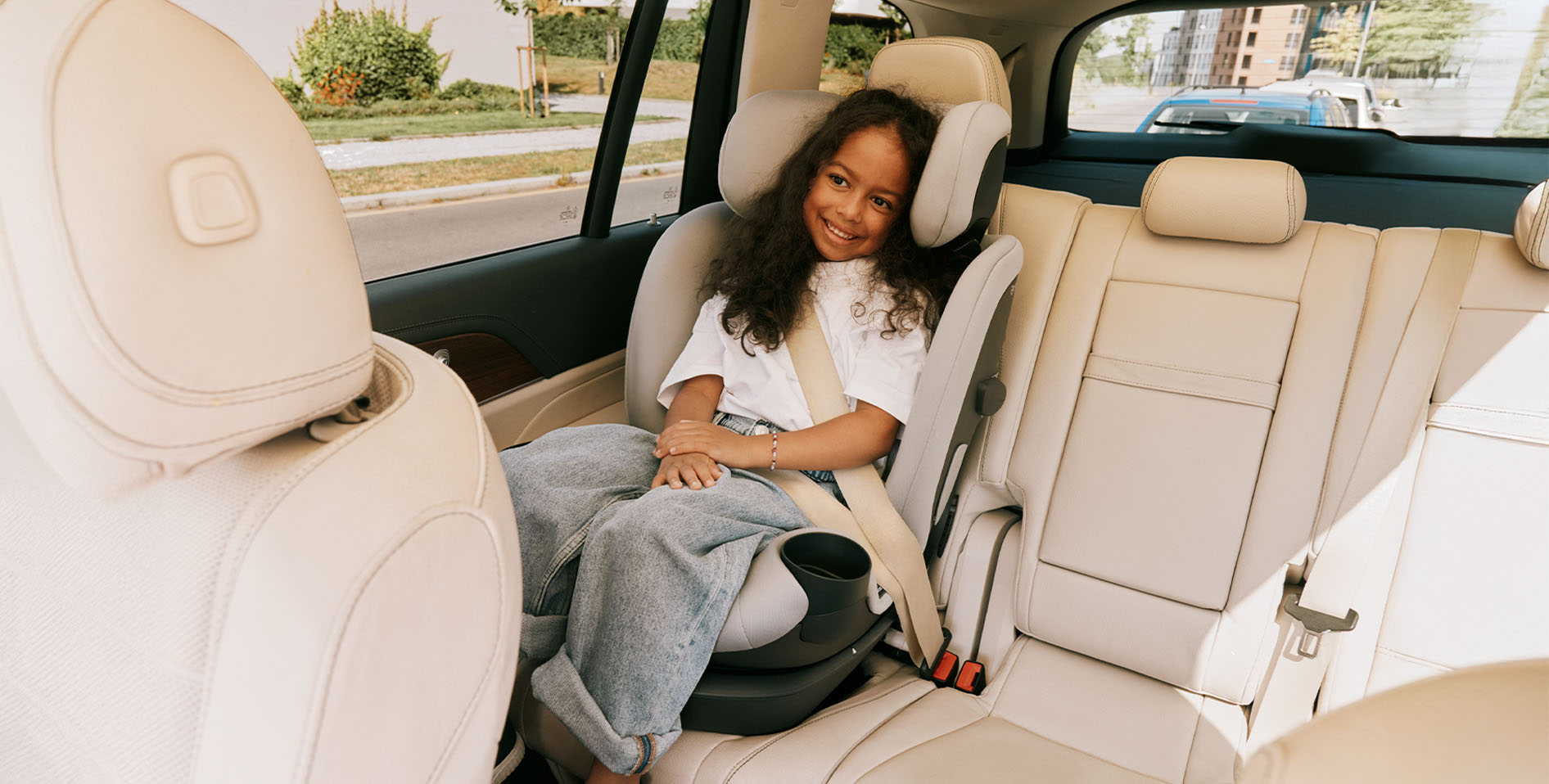
5. The Back Seat Is the Best Seat
Location matters.
The safest place for children under 13 is always the back seat. When possible, position the car seat away from active airbags and follow both the vehicle owner's manual and the car seat instructions.
Quick Tip: Never place a rear-facing car seat in front of an active airbag.
6. Use Only CYBEX-Approved Accessories
Every component is tested as a system.
Adding aftermarket inserts, cushions, or accessories may interfere with how a car seat performs in a crash. CYBEX accessories undergo extensive testing alongside our seats to ensure they work together as an integrated safety system.
Quick Tip: If it didn't come with the seat or isn't approved by CYBEX, don't use it.
6. Use Only CYBEX-Approved Accessories
Every component is tested as a system.
Adding aftermarket inserts, cushions, or accessories may interfere with how a car seat performs in a crash. CYBEX accessories undergo extensive testing alongside our seats to ensure they work together as an integrated safety system.
Quick Tip: If it didn't come with the seat or isn't approved by CYBEX, don't use it.
6. Use Only CYBEX-Approved Accessories
Every component is tested as a system.
Adding aftermarket inserts, cushions, or accessories may interfere with how a car seat performs in a crash. CYBEX accessories undergo extensive testing alongside our seats to ensure they work together as an integrated safety system.
Quick Tip: If it didn't come with the seat or isn't approved by CYBEX, don't use it.


7. Skip Puffy Coats Under the Harness
Bulk creates dangerous slack.
Winter coats may appear snug, but in a collision compressed layers can create extra space between the harness and your child. Remove bulky outerwear before buckling and use a blanket over the harness if additional warmth is needed.
Quick Tip: Tighten the harness straps tightly. Be sure to pull extra webbing from the hip areas through to the shoulders. You should not be able to vertically pinch excess webbing at the shoulder once the harness is tightened.
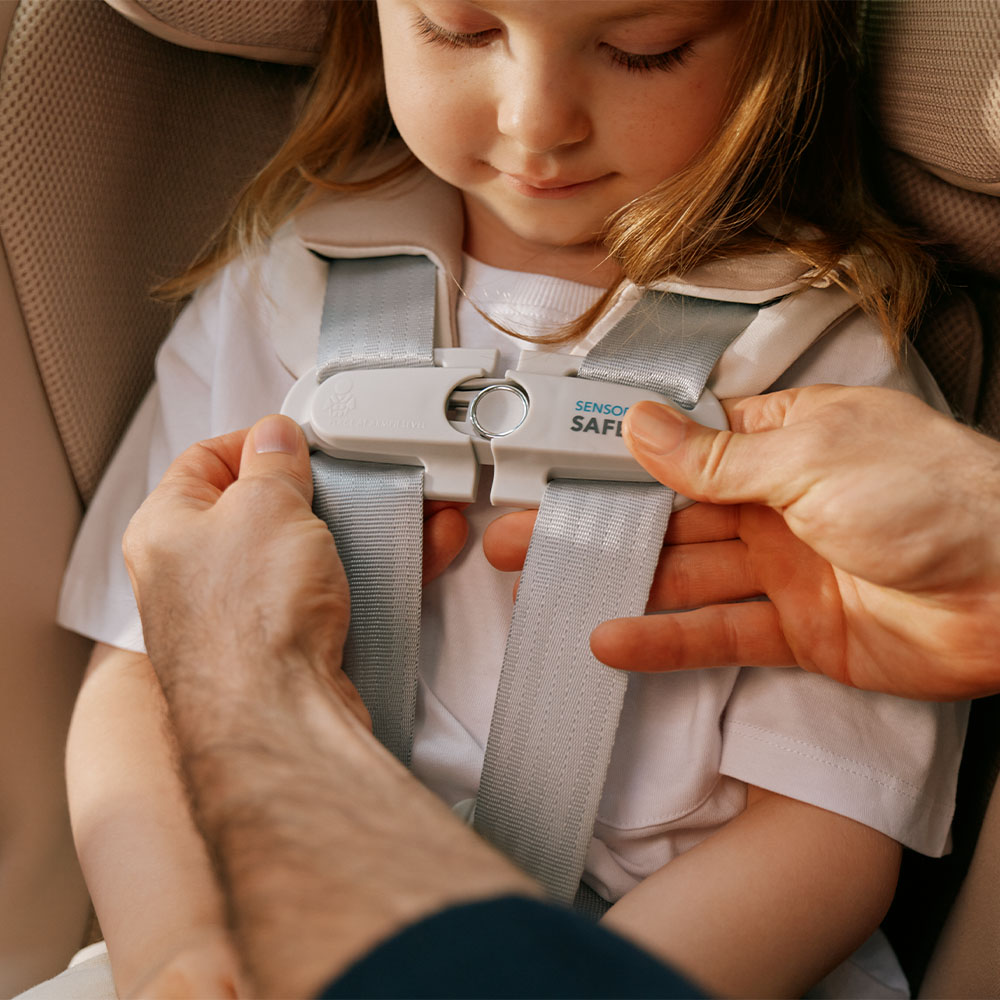
7. Skip Puffy Coats Under the Harness
Bulk creates dangerous slack.
Winter coats may appear snug, but in a collision compressed layers can create extra space between the harness and your child. Remove bulky outerwear before buckling and use a blanket over the harness if additional warmth is needed.
Quick Tip: Tighten the harness straps tightly. Be sure to pull extra webbing from the hip areas through to the shoulders. You should not be able to vertically pinch excess webbing at the shoulder once the harness is tightened.
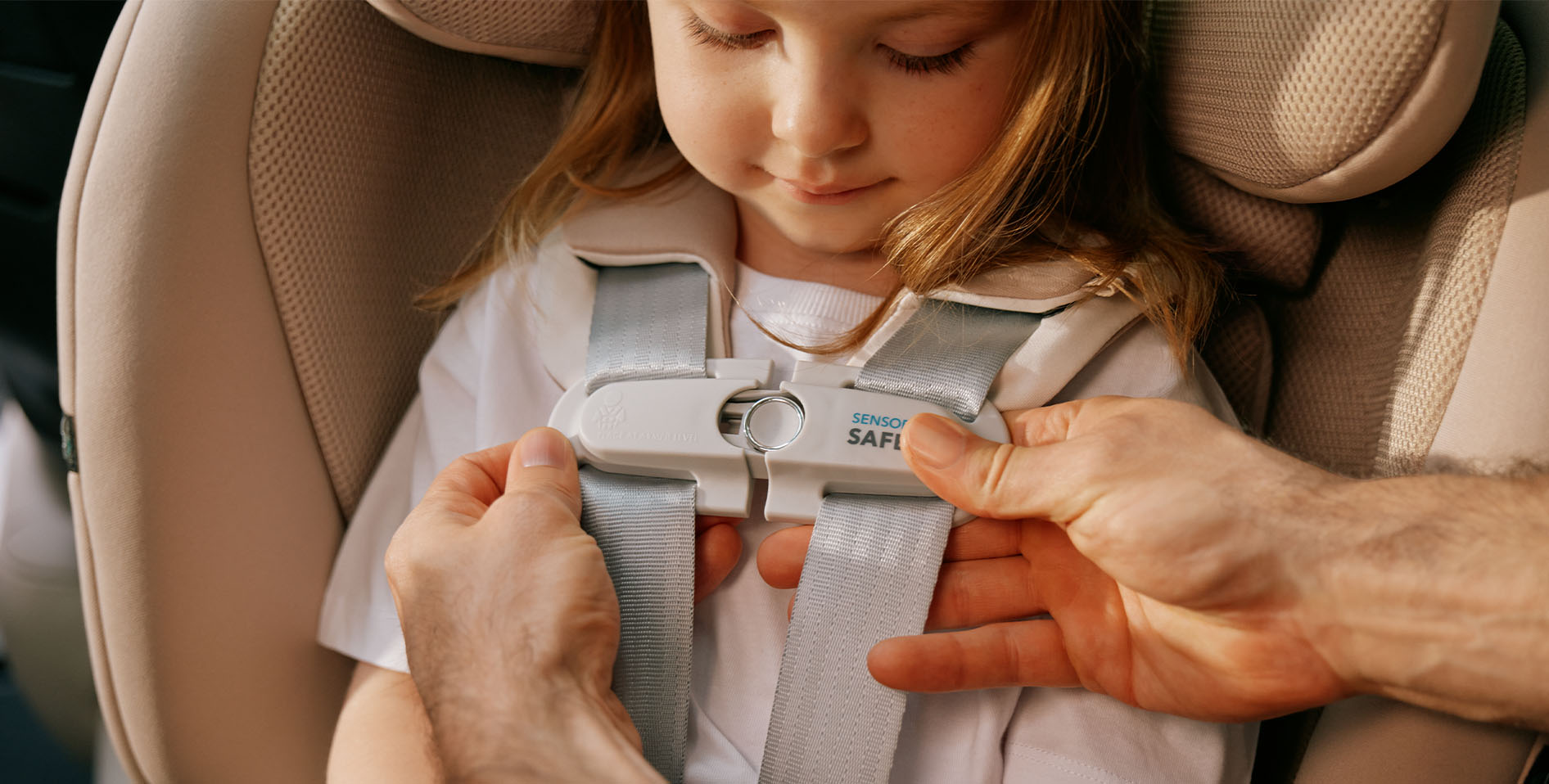
7. Skip Puffy Coats Under the Harness
Bulk creates dangerous slack.
Winter coats may appear snug, but in a collision compressed layers can create extra space between the harness and your child. Remove bulky outerwear before buckling and use a blanket over the harness if additional warmth is needed.
Quick Tip: Tighten the harness straps tightly. Be sure to pull extra webbing from the hip areas through to the shoulders. You should not be able to vertically pinch excess webbing at the shoulder once the harness is tightened.
8. Always Use the Top Tether When Recommended
It provides additional protection during a crash.
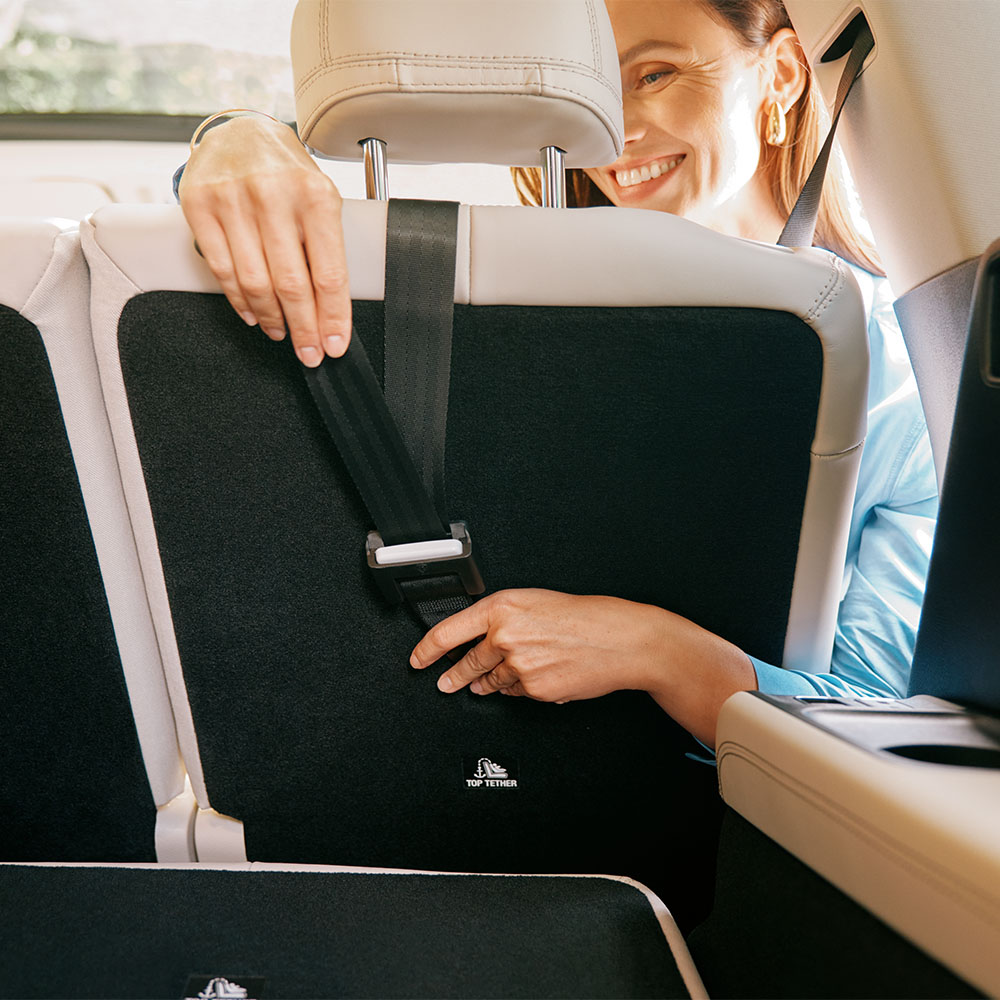
The top tether helps reduce forward movement and helps stabilize the car seat during a collision. It's one of the most overlooked yet important steps for forward-facing installation. Note: Some car seats allow for top tether also for rear-facing; always follow your individual car seat manufacturer's instructions for correct tether use.
Quick Tip: Always locate and connect the top tether anchor in your vehicle.
8. Always Use the Top Tether When Recommended
It provides additional protection during a crash.
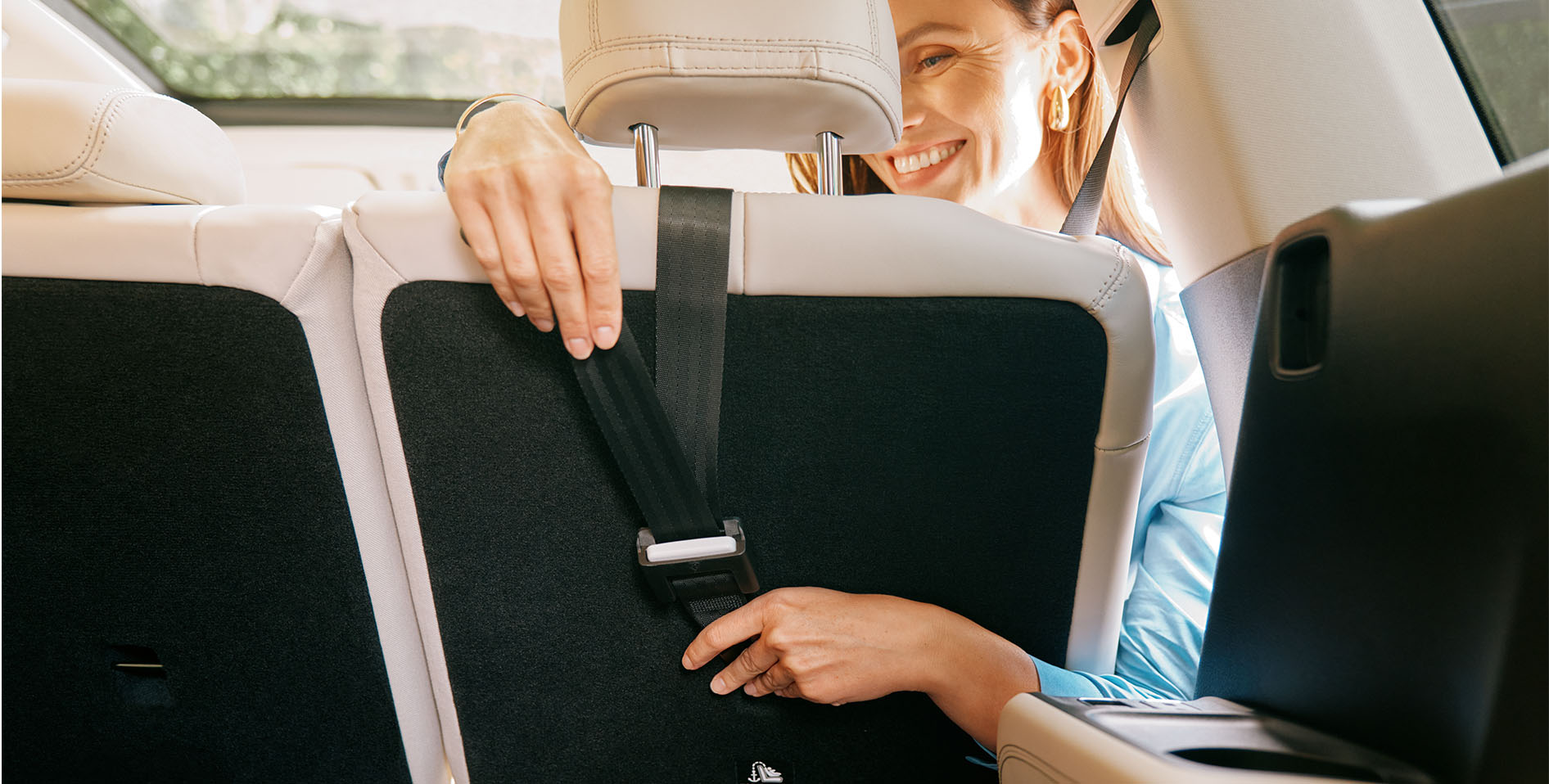
The top tether helps reduce forward movement and helps stabilize the car seat during a collision. It's one of the most overlooked yet important steps for forward-facing installation. Note: Some car seats allow for top tether also for rear-facing; always follow your individual car seat manufacturer's instructions for correct tether use.
Quick Tip: Always locate and connect the top tether anchor in your vehicle.
8. Always Use the Top Tether When Recommended
It provides additional protection during a crash.
The top tether helps reduce forward movement and helps stabilize the car seat during a collision. It's one of the most overlooked yet important steps for forward-facing installation. Note: Some car seats allow for top tether also for rear-facing; always follow your individual car seat manufacturer's instructions for correct tether use.
Quick Tip: Always locate and connect the top tether anchor in your vehicle.
9. Get the Harness Fit Just Right
A correctly fitted harness helps keep your child in the safest position.
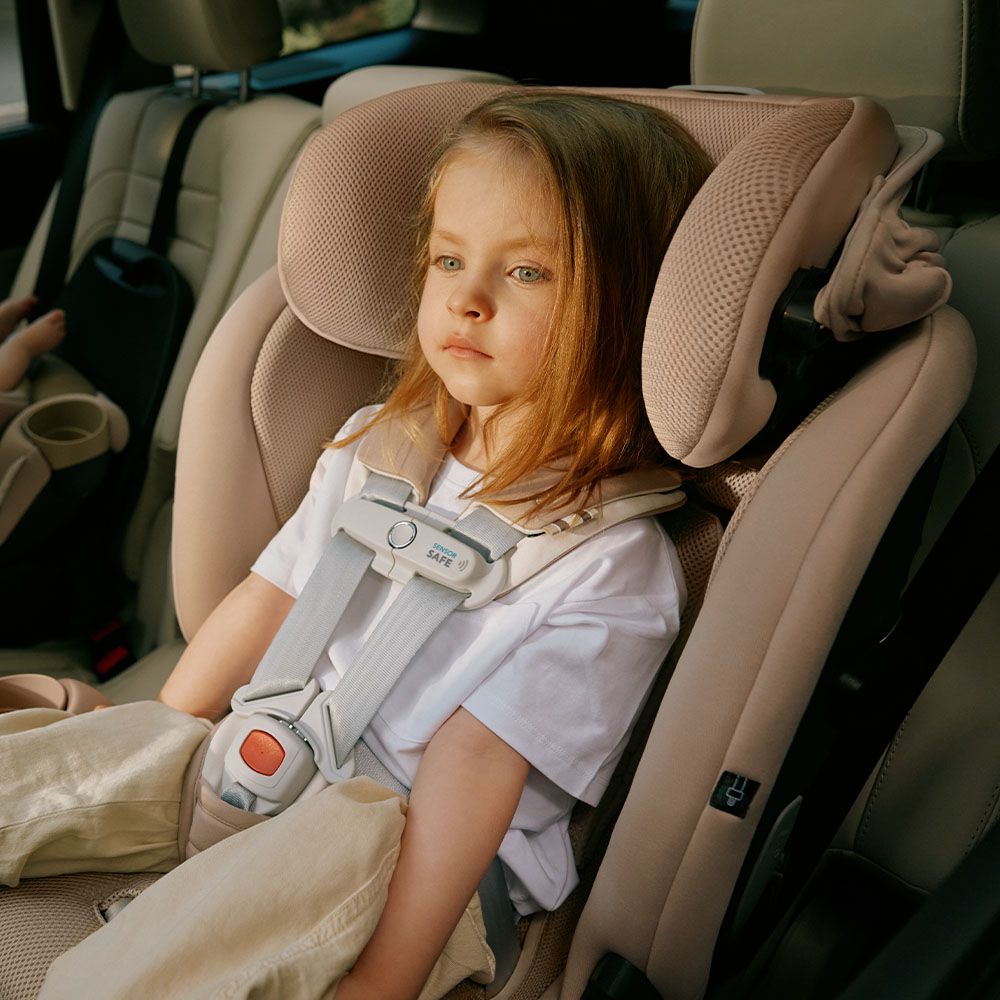
The harness should lie flat, be free of twists, and fit snugly against your child's body. For rear-facing children, harness straps should originate at or below shoulder level. For forward-facing children, straps should be at or above shoulder level.
Quick Tip: If you can pinch excess webbing at the shoulder, the harness needs tightening.
9. Get the Harness Fit Just Right
A correctly fitted harness helps keep your child in the safest position.
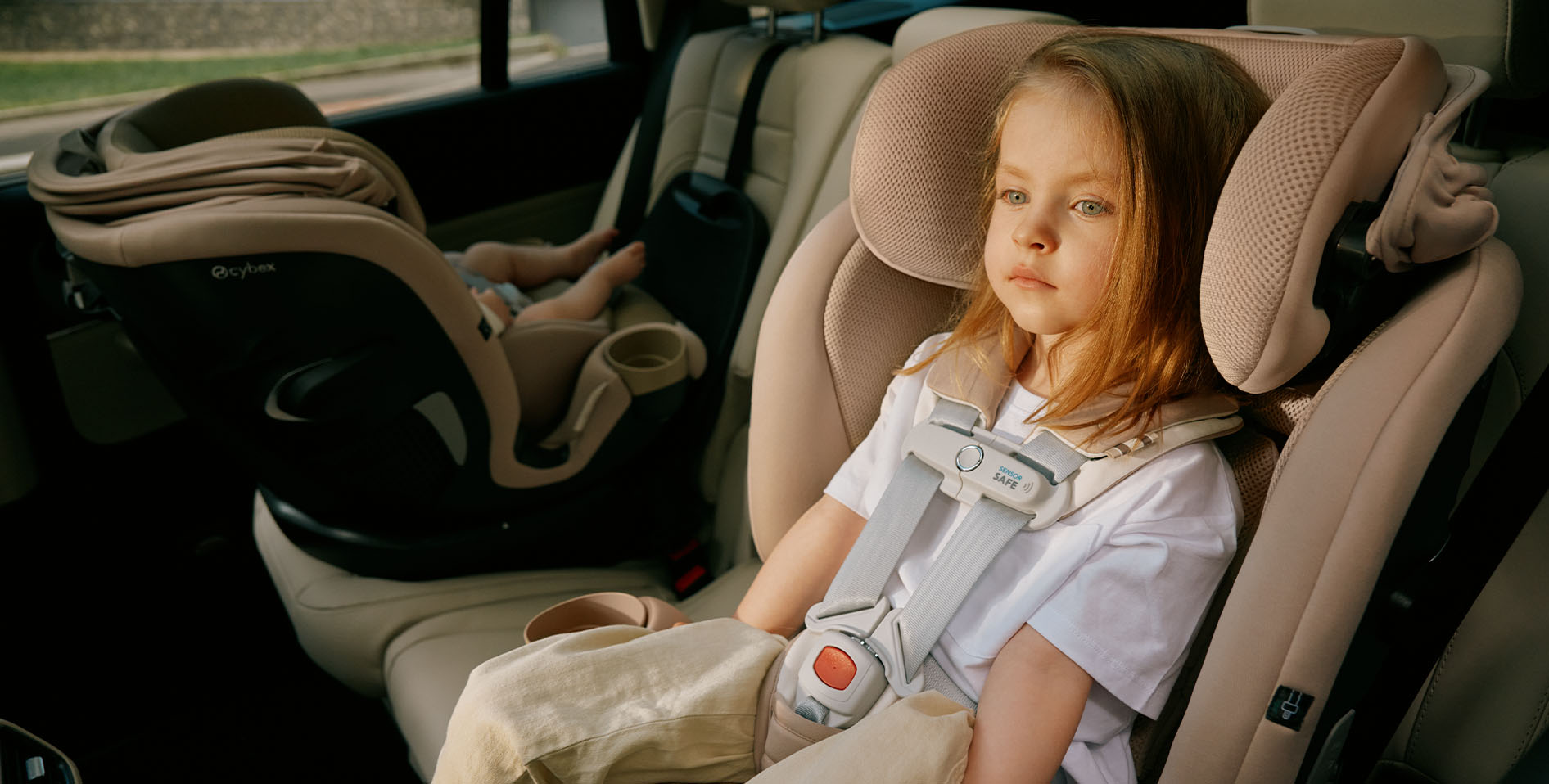
The harness should lie flat, be free of twists, and fit snugly against your child's body. For rear-facing children, harness straps should originate at or below shoulder level. For forward-facing children, straps should be at or above shoulder level.
Quick Tip: If you can pinch excess webbing at the shoulder, the harness needs tightening.
9. Get the Harness Fit Just Right
A correctly fitted harness helps keep your child in the safest position.
The harness should lie flat, be free of twists, and fit snugly against your child's body. For rear-facing children, harness straps should originate at or below shoulder level. For forward-facing children, straps should be at or above shoulder level.
Quick Tip: If you can pinch excess webbing at the shoulder, the harness needs tightening.
